January feels like a dead month for gardening. Everything outside looks frozen, sad, and honestly a little dramatic.
But here’s the thing most people don’t realize — January is actually a great time to grow plants from cuttings, especially if you’re okay starting indoors or working with cold-hardy plants.
Plants are slower right now. Less stress. Less shock. More time to grow roots quietly while you’re still wearing socks indoors.
I used to think winter propagation was pointless. Then one January I tried it out of boredom… and by spring my windowsill looked like a tiny plant factory. Kinda addictive, not gonna lie.
Easy Indoor Plants to Root From Cuttings in January
Most houseplants don’t mind winter at all — especially if your home stays warm and bright. January cuttings actually do well because plants aren’t wasting energy on new leaves yet.
1. Spider Plant (Those Dangly Babies Are Free Plants)
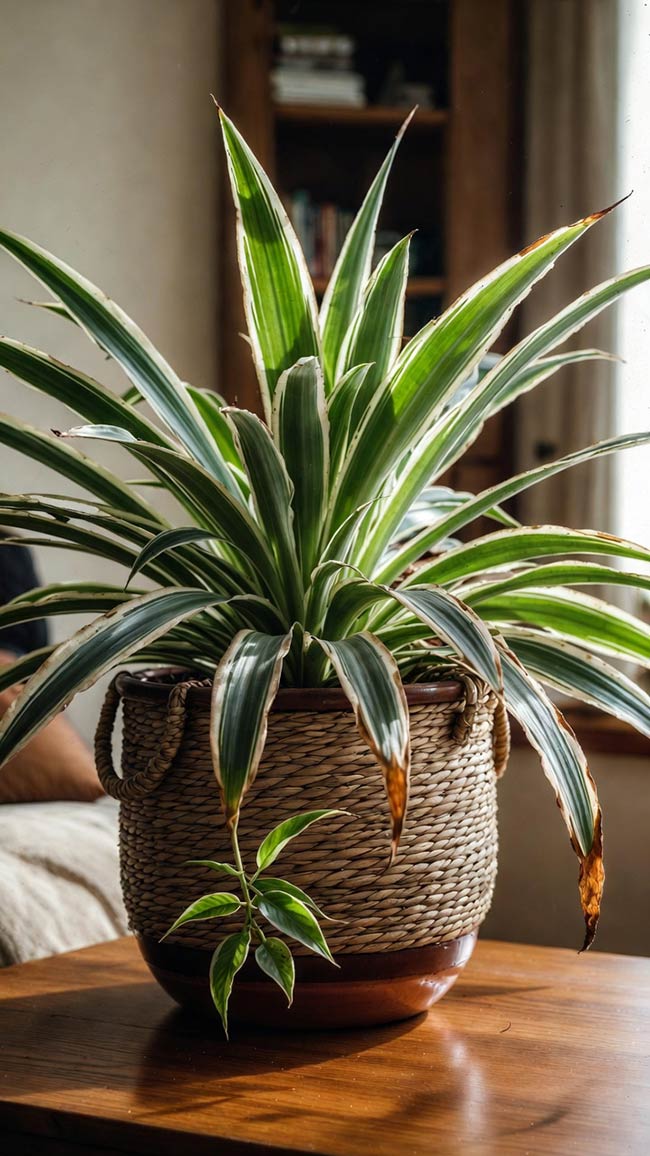
Spider plants basically do the work for you. Those little hanging babies? Yeah, they’re ready to grow.
Snip one off, pop it in water or soil, and that’s it.
No drama. No special tools.
I once ignored a spiderette in a glass of water for weeks. It still rooted like it had a personal goal.
Best part? They love winter windows.
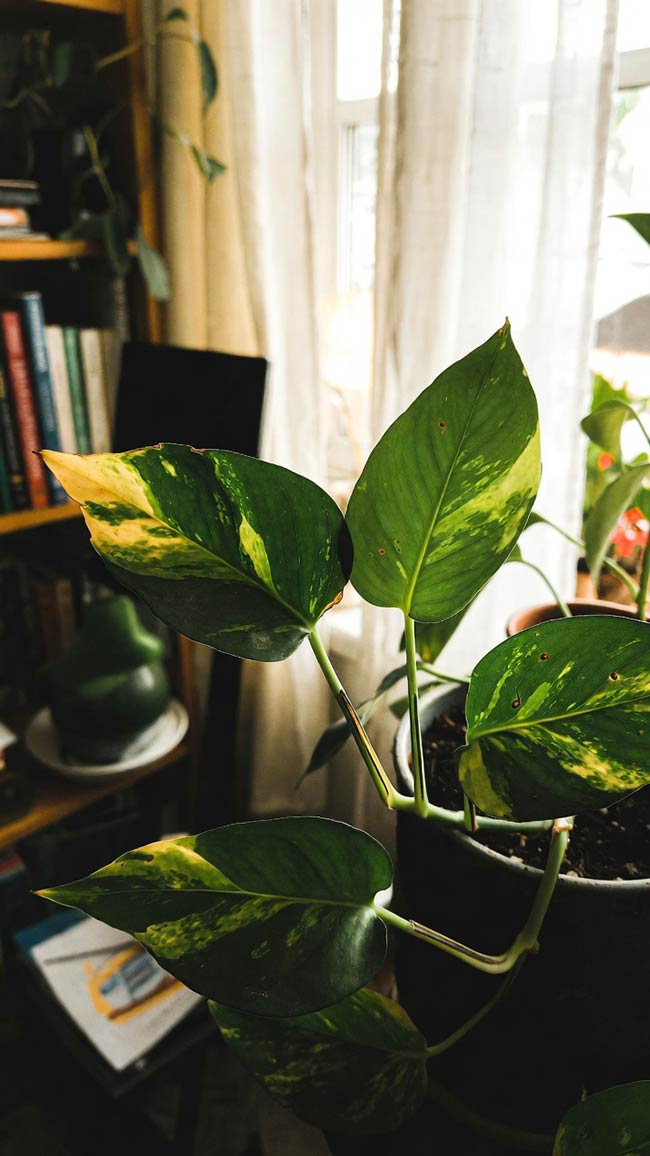
2. Pothos (The Plant That Forgives Everything)
Pothos might be the easiest plant on Earth to propagate. January, July, doesn’t matter.
Cut just below a node — that little bump where leaves come out — and drop it in water.
Roots usually show up in 2–3 weeks.
You can:
-
keep it in water forever
-
move it to soil
-
forget about it (still survives)
Honestly, if pothos ever dies, it’s probably personal.
3. Snake Plant (Slow, But Worth the Wait)
Snake plants are chill. Very chill. Sometimes too chill.
You can:
-
separate pups
-
or cut a leaf into chunks (2–4 inches)
Stick the cut ends in soil and wait.
And wait.
And wait some more.
I messed this up once by watering too much. The leaf rotted and smelled… bad. Lesson learned: dry soil is your friend here.
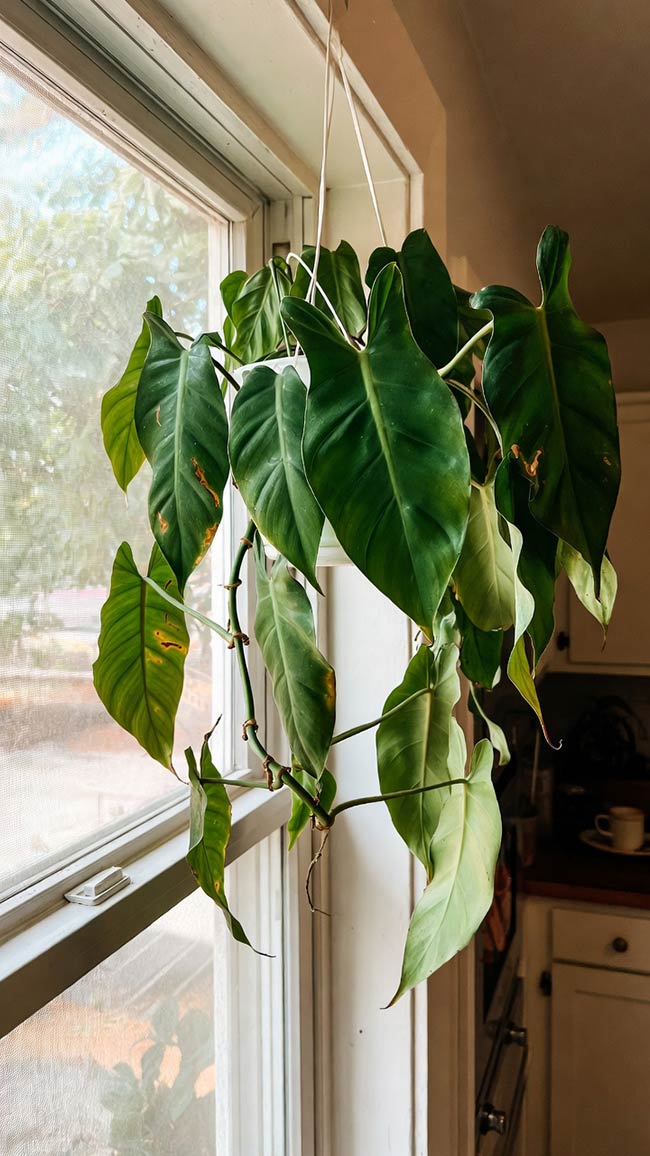
4. Philodendron (Fast Roots, Big Reward)
Philodendrons root fast, even in winter.
Take a cutting with 2–3 nodes and place it in water or soil.
Warm room + bright indirect light = success.
Within weeks, roots show up like they’re excited to be here.
If you want quick wins in January, this one’s solid.
5. Tradescantia (The “Just Stick It In Soil” Plant)
Purple Heart. Wandering Dude. Inch plant. Whatever name you like — they’re all ridiculously easy.
Cut a stem. Stick it in soil.
That’s the whole method.
I once trimmed mine and tossed the cuttings into a random pot. By spring it looked like a jungle gym spilling over the edge.
6. Christmas Cactus (Winter Is Actually Perfect)
Once your Christmas cactus finishes blooming, January is prime time.
Cut off a few segments and let them dry for a day or two. Then plant them shallowly in soil.
They root slowly, but winter cuttings tend to be stronger and less floppy later on.
Cold-Hardy Plants You Can Start From Cuttings in January
This is where most people hesitate. But some outdoor plants actually prefer winter cuttings because they’re dormant and calm.
7. Forsythia (Bright Yellow Spring Payoff)
Forsythia cuttings root surprisingly well in winter.
Use 4–6 inch pieces of fresh growth. Remove lower leaves.
Stick them in sand or perlite.
Cover loosely with plastic to hold moisture, but don’t suffocate them.
When new growth appears, you’re winning.
8. Russian Sage — The One That Looks Dead but Totally Isn’t
Botanical name: Perovskia atriplicifolia
Russian sage in January honestly looks like it has given up on life. Dry sticks, no leaves, zero drama. But that’s actually why it’s perfect for winter cuttings. The plant is dormant, so it doesn’t freak out when you snip it.
Go for hardwood cuttings now—about 4–6 inches is fine, though I usually throw in one longer piece just in case. Strip off anything soft or leafy, because those just rot. Stick them into a gritty mix (sand + perlite works great), water lightly, and then… wait.
This is not a fast plant. It’s more of a “don’t touch me for weeks” situation. Keep the soil barely damp, give it bright light, and resist the urge to check roots every two days. I did that once and snapped half of them. Lesson learned.
Once it wakes up in spring, you’ll suddenly see new growth like it flipped a switch.
9. Yew — Slow, Steady, and Weirdly Satisfying
Botanical name: Taxus
Yew is one of those plants people assume is hard to propagate. It’s not hard—it’s just patient. Like, very patient.
January is actually a great time because the plant is calm and not pushing new growth. Take semi-hardwood cuttings, around 4–6 inches, from healthy branches. Clean cuts matter here. Ragged ends = sad cuttings.
Stick them into moist potting mix or a sand blend, then put the pots somewhere protected but bright. Not freezing, not roasting. Think “cool sunroom” energy.
Here’s the fun (and annoying) part: rooting can take weeks or even a couple months. Don’t toss them just because nothing happens right away. Do the gentle tug test after a few weeks—if there’s resistance, congrats, roots are forming.
Once rooted, yew turns into one of those plants that just… lasts forever.
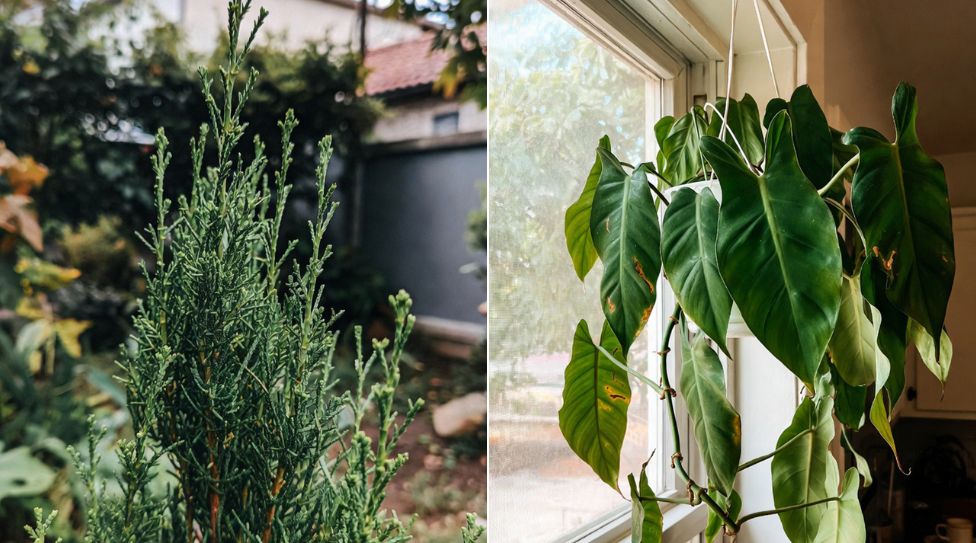
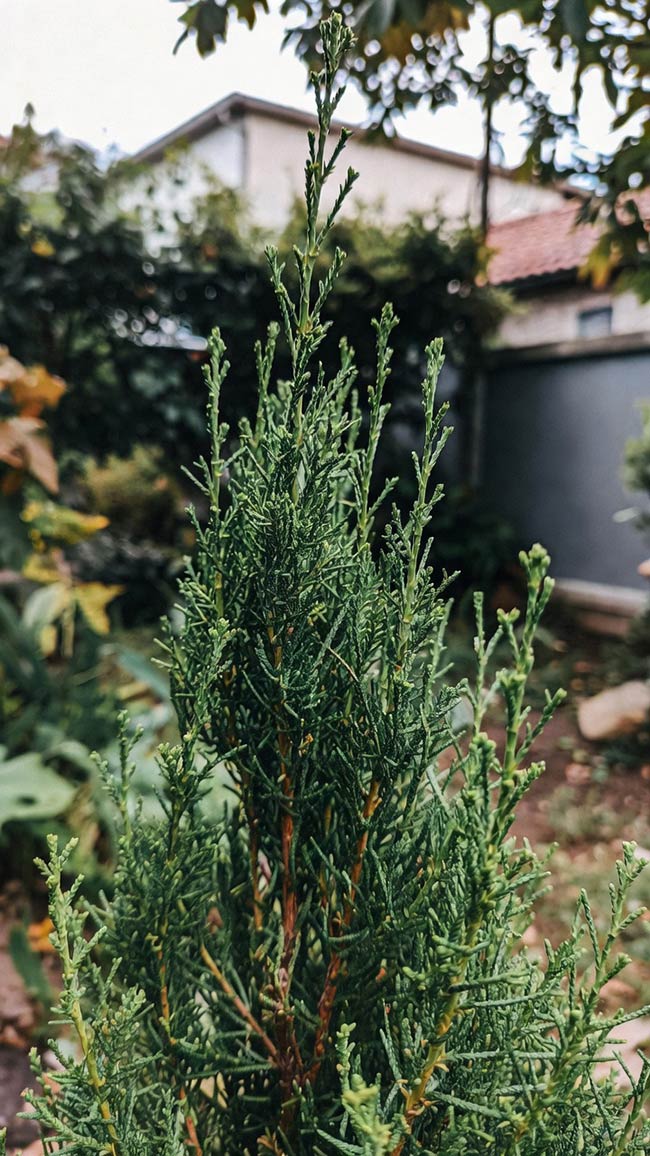
10. Arborvitae — Yes, You Can Clone Your Privacy Fence
Botanical name: Thuja occidentalis
If you’ve ever looked at your arborvitae hedge and thought, “Wow, I could use five more of you,” January is your moment.
Dormant hardwood cuttings root better than you’d expect. Take cuttings from last year’s growth—nothing floppy, nothing brand new. About 5–7 inches works well.
Dip the cut end in rooting hormone (this one actually helps here), then plant into a loose, well-draining mix. Cold soil slows things down, so a heat mat underneath the pots is a game changer. Trust me.
They won’t look like they’re doing much all winter. No drama, no growth. Then spring hits, and suddenly they’re alive again. Keep them in pots until roots are strong—rushing them into the ground too early is how you lose them.
11. Basil — The Sneaky Winter Win
Botanical name: Ocimum basilicum
Basil feels like a summer-only plant, but indoors? It doesn’t care. January basil cuttings are honestly one of the easiest wins.
Snip a healthy stem just below a node, remove the lower leaves, and drop it into water. That’s it. No fancy setup. Stick the jar on a sunny windowsill and forget about it for a few days.
Roots usually show up fast—sometimes in under a week. Once they’re an inch or so long, move the cutting into soil. I like planting 3–4 together so the pot looks full instead of sad and twiggy.
One time I forgot to pot mine up and left it in water too long. It survived, but it looked like it was living its entire life in a glass. Soil definitely makes it happier.