If you’ve ever walked past a patch of hyssop in full bloom, you know the smell hits you first—kind of minty, kinda floral, kinda “wow, what is that?” I planted my first hyssop bush by accident (long story, I thought it was a tiny lavender seedling). Honestly, it turned out way better than expected. This plant is pretty, super tough, smells amazing, and gives you herbs, pollinators, and pest control all in one little shrub.
So yeah… it’s way more than just a pretty purple plant.
How to Grow Hyssop Without Babying It
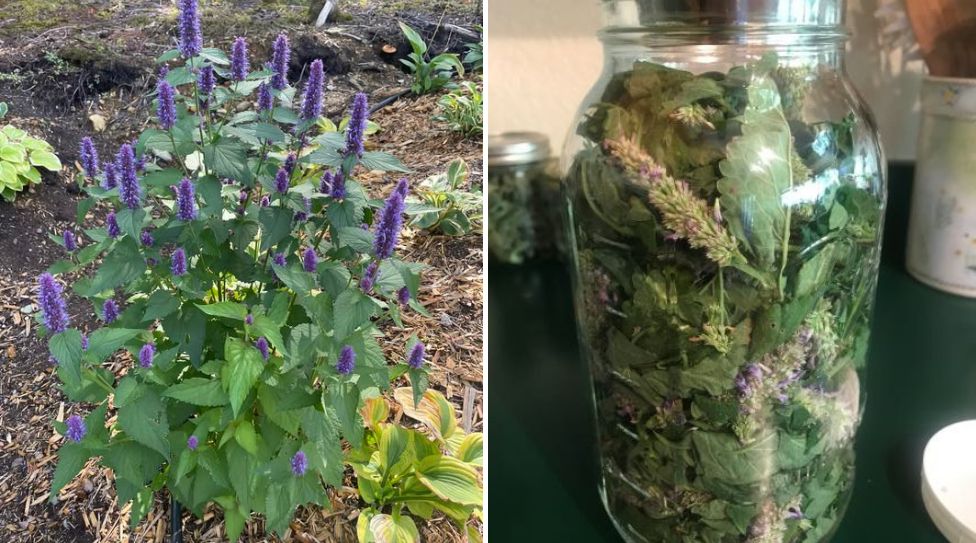
Hyssop (Hyssopus officinalis) kinda reminds me of lavender’s less-dramatic cousin. Same skinny stems, same cute purple-blue blooms, but none of the “I’m too sensitive for this world” attitude some lavender varieties have.
It grows in USDA Zones 4–9, and if your soil is even halfway decent, hyssop will pretty much take it from there. A few things it really likes:
- Soil that drains fast (loamy, sandy, or anything not swampy)
- Full sun, though light afternoon shade is nice in super-hot areas
- pH between 6.5–8.0 — slightly alkaline soil makes it happiest
If you’re starting from seeds, spring is the best. They’re slow starters, so don’t panic if nothing happens for a bit. Cuttings? Even easier. I once stuck a trimming into a pot “just to see,” totally forgot about it for a week, and it still rooted. Not my proudest gardening moment but hey, it worked.
Hyssop also kind of enjoys a haircut. In early spring—after frost!—give the whole plant a trim, about one-third off. It’ll grow back fuller and look way less messy. If you skip pruning for a couple years, it’ll start looking like a tiny, woody broomstick. Not cute.
And if you’re short on space, hyssop is chill with growing in pots. Mature plants do best in 10–12 inch deep containers, while younger ones are happy in 6–8 inch planters.
Hyssop Benefits in the Garden (Seriously, This Plant Works Overtime)
Okay, this is where hyssop goes from “pretty plant” to “garden MVP.”
1. It Brings in the Good Guys
Hyssop flowers are basically neon signs saying “Free Snacks!” to bees, butterflies, and hummingbirds. I’m not exaggerating—my hyssop patch once had so many bees that it looked like a fuzzy moving cloud. Cute, but mildly chaotic.
Pollinators love it because the flowers are full of nectar, and they bloom right when many gardens need that extra buzz of activity.
2. It Keeps Problem Bugs Away
The scent is minty but stronger, almost spicy, and pests hate that.
Helpful pairings you can try:
- plant hyssop near cabbages to discourage cabbage moths
- pair it with grapes for natural flea beetle control
- tuck it near lettuce or greens to reduce nibbling
Not saying it’s bug-proof magic, but it’s the closest thing nature offers.
3. It Makes a Cute Low Hedge or Border
Hyssop grows around 18–24 inches tall, which is that perfect “not too tall, not too short” height for borders, paths, and edging around garden beds. And if you plant a bunch together, the whole strip turns purple in fall. It looks intentional even when you didn’t plan it that way.
If you have sloped areas, hyssop also helps hold soil—it’s surprisingly sturdy for such a soft-looking plant.
4. And Nope, It Doesn’t Get Invasive
Unlike mint (which will take over your life), hyssop spreads politely. It self-seeds, yes, but in a gentle “hello, neighbor” way, not an “I’m moving into your kitchen” way.
Hyssop’s Most Interesting Uses (Beyond Just Looking Cute)
Fresh Uses in the Kitchen
Hyssop tastes like a mix of mint, sage, and a tiny hint of floral sweetness. Strong but fun to cook with.
You can chop its young leaves and toss them into:
- soups
- stews
- grilled meat rubs
- fresh salads
- roasted veggies
People also use it to flavor liqueurs—Chartreuse is the classic one.
If you’re heavy-handed with herbs (like me), go easy at first. The flavor is bold and can kinda surprise you.
Old-School Herbal Medicine (The Stuff People Swore By)
Hyssop is one of those herbs that shows up in old texts everywhere. Ancient Mediterranean folks used it for:
- lung congestion
- sore throats
- digestive issues
- calming inflammation
Hyssop tea has that warm minty smell that feels like it should fix your mood immediately.
Its essential oil is strong—way stronger than it smells—and it carries camphor, eucalyptus-like notes, and other compounds that make it useful in soaps and balms.
Small caution: the oil contains thujone and phenols. Great in tiny amounts, but not for epileptic folks or anyone sensitive to strong essential oils.
How to Store Hyssop So It Stays Fresh
Hyssop LOVES being harvested. The more you cut, the better it grows—kinda like those people who look great after getting a haircut.
When you’re drying it:
- keep it in a cool, dark, airy room
- avoid direct sunlight (it kills the flavor fast)
- store fully dried leaves in airtight jars
I once dried a huge batch on top of my fridge, thinking the airflow would help. It did—but it also perfumed my whole kitchen for two weeks. Not bad, just… strong.
If you’re a more “pretty herb bundle hanging on a hook” type of person, hyssop does great that way too.
Extra Hyssop Tips Most People Don’t Mention
1. Plant Hyssop Near Fruit Trees
The pollinators it attracts help fruit set. I swear my apple tree yields more when hyssop is blooming nearby.
2. Water Less in Year Two
Hyssop becomes more drought-tolerant after its roots settle in. Overwatering mature plants is one of the fastest ways to make them sulk.
3. Try Pink or White Hyssop Cultivars
Purple is classic, but the pink and white forms look insanely pretty mixed into cottage gardens or herb borders.
4. Divide Old Plants Every 3–4 Years
It keeps them from turning woody and revives their bushy growth.