Every gardener has that one “grandma trick” they swear by. Some folks use crushed eggshells, some bury rusty nails (don’t ask), and then there’s the surprisingly powerful one I didn’t believe until I tried it myself: ground black pepper.
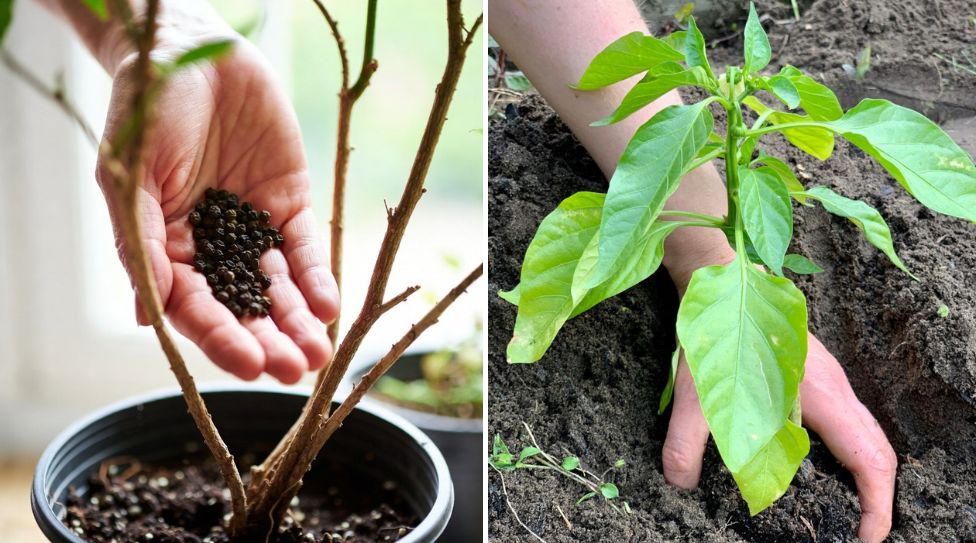
I mean… pepper? The same stuff sitting next to the salt shaker?
Yep. That one. And honestly, it works way better than it has any right to.
I learned this by accident when I spilled pepper in my herb bed one morning (don’t balance your breakfast plate on top of a watering can—just don’t). A week later, my basil suddenly had zero ants and no bite marks from those mystery nighttime critters. That’s when I realized pepper isn’t just for food—it’s pretty amazing for plants too.
Here are six ways black pepper protects your garden, plus a few extra tricks seasoned gardeners love.
1. Pepper Works Like a Natural Pest Barrier (No Chemicals, No Fuss)
People love calling this “old-school pest control,” but honestly, it’s more like giving bugs a spicy slap in the face. The strong smell and piperine (the spicy compound) mess with their senses, so they just… leave. No drama.
It bothers pests like:
- aphids
- spider mites
- slugs and snails
- whiteflies
- beetles
- ants (my biggest troublemakers)
I like sprinkling a soft ring of pepper around plants that always get attacked—parsley, lettuce, mint, and anything juicy. Some gardeners even dust the leaves, but go super light. Think “a whisper,” not “a winter snowstorm.”
And yes, it works fast. I’ve had aphids disappear from my pepper plants within a day or two, which still blows my mind.
2. Keeps Cats, Dogs & Nosey Critters Out of Beds (Without Hurting Them)
My neighbor’s cat used to treat my raised beds like the VIP bathroom at a cat nightclub. It drove me crazy. Pepper changed that in one night—cats hate the smell, and so do dogs. And honestly, I get it. Stick your nose over a pepper shaker and see how you feel.
A bit of pepper around:
- new seedling beds
- freshly turned soil
- soft mulched areas
- containers on patios
- porch planters
…makes animals think “no thanks.” It doesn’t harm them; it just annoys their super-sensitive noses.
I sometimes mix pepper with cinnamon or chili powder when I’m feeling dramatic—like a deluxe “don’t even think about it” blend.
3. Helps Keep Fungus & Mold Under Control in Damp Soil
If you’ve ever watched seedlings flop over from damping-off disease, you know how heartbreaking it is. Pepper has mild antifungal properties, so using a thin layer on top of soil helps keep fungus from taking over.
It’s worth trying when dealing with:
- humid indoor grow setups
- overwatered houseplants
- fungus gnat breeding zones
- mold-prone potting soil
It doesn’t kill good microbes (which you want!), but it helps suppress the annoying stuff that ruins roots. I sprinkle a small amount whenever the soil starts smelling a bit… swampy.
4. Black Pepper Messes Up Ant Trails (So They Move Out Quietly)
Ant farming should really be illegal in gardens. First they move in. Then they start raising aphids like tiny cows. Before long, your plants look like they’re being taxed by an ant colony with a bad attitude.
Pepper breaks their scent trails and communication lines. When ants can’t smell their way home, they panic and move the whole colony elsewhere.
Places I use it:
- rims of pots
- corners of raised beds
- around my greenhouse door
- anywhere I see their little traffic highways
It’s honestly hilarious watching ants get confused—like someone rearranged their furniture overnight.
5. Protects Baby Seedlings That Everything Wants to Eat
Seedlings are basically plant candy for pests. Slugs love them, caterpillars chew them, even birds sometimes yank them up just to be rude.
A pinch of pepper around tiny sprouts creates a zone that feels “unsafe” to pests. Think of it like a mini forcefield.
I’ve saved so many trays this way—especially lettuce, bok choy, basil, and anything delicate. Pepper doesn’t burn the leaves or change the soil chemistry. It just teaches pests to go somewhere else for their midnight snacks.
6. Helps Stop Soil From Crusting Over (Surprisingly Helpful)
Okay, this one sounds fake, but it’s real. Pepper grains break up the top layer of soil just enough to reduce crusting, especially in clay-heavy beds.
When soil crusts, it:
- blocks water
- suffocates roots
- stops seeds from sprouting
- turns watering into a sad little puddle situation
Pepper acts like tiny separators. Water seeps in easier, roots breathe better, seedlings break through the surface without a fight. It’s not mulch-level magic, but it’s such a simple fix for stubborn soil.
How to Actually Use Pepper in Your Garden (The Easy Way)
Using pepper in the garden is honestly way simpler than people make it sound. You don’t have to mix weird sprays, buy gadgets, or measure anything like you’re in chemistry class. Pepper works because it sits on the soil and sends a strong “nope” signal to pests. That’s pretty much it.
Here’s how I normally use it—and trust me, I’ve tried the chaotic method (dumping half a jar in frustration after finding a squirrel in my kale… don’t do that):
My realistic, everyday ways to apply pepper:
- A small ring around plant stems
This is the fastest way to keep ants, slugs, or curious cats away. The ring doesn’t have to be perfect—mine usually looks like a shaky circle because I’m holding a coffee cup in the other hand. - A soft dusting on the topsoil
Great when you want mild protection without going heavy. It helps especially with indoor plants or seedlings that gnats love. - A tiny pinch around pot rims
Works way better than you’d expect. Ants hate climbing pepper-coated edges. - Thin lines along garden borders
This is my trick for cats and squirrels. It’s like making an invisible fence that smells spicy. - A very tiny amount on leaves—but only if dry
I only do this when aphids show up. Think “salt-bae sprinkle,” not frosting a cake.
Pepper washes away with rain or watering, which is kinda annoying, but also good because it never harms the soil. Just reapply like you’re refreshing perfume—light, quick, and not too serious.
Is Black Pepper Safe for Plants?
People sometimes worry pepper might hurt their plants, and honestly, I had the same fear the first time I used it. I remember sprinkling a bit around my basil and then checking on it every two hours like a nervous plant parent. Spoiler: the basil was totally fine.
Pepper is safe as long as you use it like a gardener and not a chef seasoning a giant stew. Here’s what you should avoid:
Things not to do:
- dumping giant piles of pepper in one spot
- mixing tablespoons of pepper deep into potting soil
- applying to wet, sticky leaves (it cakes like cement)
Pepper doesn’t change soil chemistry, doesn’t burn roots, and doesn’t mess with microbe life. The compound that does the “scaring off” (piperine) breaks down naturally and disappears into the soil quietly.
So yeah—your plants won’t even notice it, but pests definitely will.
Plants That Get the Biggest Benefit
Almost any plant can enjoy a bit of pepper protection, but some plants react like you just hired a full-time security guard for them.
Here’s where pepper truly shines:
Pepper-loving (well… pepper-protected) favorites:
- Tomatoes
Aphids love tomatoes. Pepper annoys aphids. Easy win. - Strawberries
Squirrels and slugs think strawberries are free dessert. Pepper says “nope.” - Herbs like basil & mint
Soft leaves get chewed easily—pepper gives them a fighting chance. - Leafy greens
These are like salad bars for bugs. The pepper barrier helps a ton. - Houseplants
Especially if fungus gnats love showing up uninvited. - Indoor seed trays
A pinch stops tiny pests from attacking young sprouts. - Raised beds
Perfect spot for pepper lines to stop cats and rodents.
I always say: if the plant is delicious or cute, something wants to eat it. Pepper usually stops that.
Pepper vs Other Natural Pest Tricks (With Real Personality)
There are tons of natural garden hacks, and every gardener has strong opinions about them. I’ve tried pretty much all of them—mostly because I’m stubborn and refused to buy chemical sprays.
Here’s how they actually compare when you use them in a real garden, not a Pinterest fantasy garden:
- Cinnamon
Amazing for fungus and gnats, but animals? They don’t care at all. - Coffee grounds
Slugs hate them. Your nose will also hate them if you forget to dry them first. Wet coffee smells like a musty sock. - Garlic spray
Works so well but your entire garden smells like a vampire battle scene. My neighbor once asked if I was cooking garlic soup outside. - Chili powder
Very strong. Very spicy. You WILL sneeze at least six times applying it. - Diatomaceous earth
Super effective… unless there’s wind. Then it goes everywhere, including your eyebrows.
Pepper wins because it’s clean, gentle, doesn’t smell crazy, and works on both bugs and animals. Honestly, it’s the only one I can apply without feeling like I need protective goggles.